Featured Blog Posts
Explore healthcare career insights, training tips, student success stories, and industry updates from Dorson Training Institute.
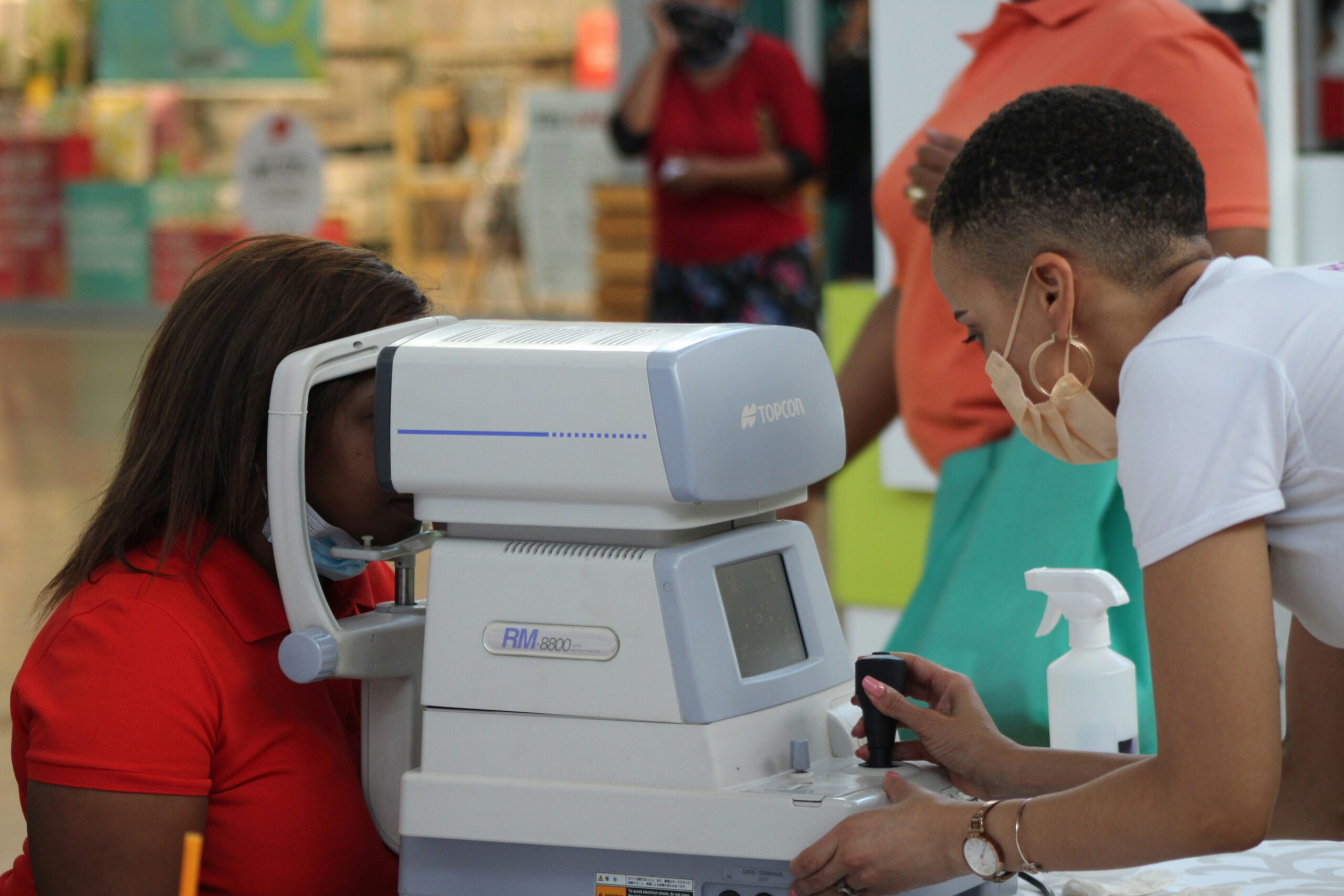
What Does An Ophthalmic Medical Assistant Do?
Learn how Dorson's OMA Hybrid Program prepares students for careers assisting ophthalmologists and supporting patient eye care.
Read More
Tips For Succeeding In Healthcare Training Programs
Learn practical study habits and time management strategies.
Read More
How Vocational Training Can Jumpstart Your Career
Healthcare vocational programs provide hands-on experience.
Read More
Top Healthcare Careers To Watch This Year
Explore fast-growing healthcare career paths and industry opportunities.
Read More
Understanding Financial Aid For Healthcare Students
Learn how financial aid options can help healthcare students.
Read More
What To Expect In A CNA Program
Discover what students learn during CNA training programs.
Read MoreWhy Ophthalmic Medical Assistants Play A Vital Role In Eye Care
Ophthalmic Medical Assistants are important members of the eye care team who work alongside ophthalmologists and other vision care professionals. They help prepare patients for examinations, collect medical histories, perform preliminary vision tests, and assist with a variety of clinical procedures. Their support helps ensure that eye clinics operate efficiently while providing quality care to patients.
In a typical ophthalmology practice, Ophthalmic Medical Assistants may conduct visual acuity testing, measure eye pressure, administer diagnostic tests, educate patients about eye health, and prepare examination rooms and equipment. Their role combines both technical skills and patient interaction, making them a valuable bridge between patients and providers.
As the demand for eye care services continues to grow, healthcare facilities are seeking trained professionals who can help manage patient flow and support specialized ophthalmic procedures. An aging population and increased awareness of eye health have contributed to the need for skilled personnel in ophthalmology settings.
Training programs provide students with the foundational knowledge and hands-on experience needed to work confidently in eye care environments. Students learn about ocular anatomy, common eye conditions, diagnostic testing procedures, infection control, and patient communication techniques.
For individuals interested in healthcare and vision science, becoming an Ophthalmic Medical Assistant can offer a rewarding career path with opportunities to make a positive impact on patients' quality of life. By helping detect and monitor eye conditions, these professionals play an essential role in preserving and improving vision health.
Article Sources
U.S. Bureau of Labor Statistics
Tips For Succeeding In Healthcare Training Programs

Healthcare training programs require discipline, consistency, and strong organizational skills. Students are often balancing coursework, laboratory practice, clinical experiences, and personal responsibilities while preparing for future careers in healthcare.
One of the most effective strategies for success is creating a study schedule. Setting aside dedicated time each day for reviewing materials can improve retention and reduce stress before exams. Consistency often produces better results than last-minute studying.
Students should also take advantage of available resources, including instructors, tutoring services, study groups, and practice assessments. Asking questions and seeking clarification early can help prevent misunderstandings and strengthen learning outcomes.
Time management is another critical skill. Healthcare programs move quickly, and students who stay organized with assignments, deadlines, and clinical requirements are often better prepared for success throughout their training.
By remaining committed, maintaining a positive mindset, and developing strong study habits, students can maximize their educational experience and prepare themselves for rewarding careers in healthcare.
Article Sources
American Nurses Association
How Vocational Training Can Jumpstart Your Career

Vocational training programs provide students with career-focused education designed to prepare them for employment through practical instruction and hands-on learning experiences.
Unlike traditional academic pathways, vocational programs focus on developing industry-specific skills that employers actively seek. Students spend significant time practicing real-world techniques that can be applied immediately in professional settings.
Healthcare vocational programs teach students essential skills used in hospitals, clinics, long-term care facilities, and outpatient centers. Many programs include laboratory exercises, simulations, and externship opportunities that help students gain valuable experience before entering the workforce.
Another advantage of vocational training is the ability to complete education in a shorter timeframe. This allows students to begin pursuing career opportunities sooner while building practical knowledge and confidence.
For individuals seeking a direct path toward employment, vocational education can provide a strong foundation for long-term career growth and professional advancement.
Article Sources
CareerOneStop Training Resources
U.S. Department of Education
Top Healthcare Careers To Watch This Year

Healthcare careers continue expanding as hospitals and clinics respond to increasing patient demand. Advances in medical technology, population growth, and changing healthcare needs continue to create opportunities across many healthcare professions.
Medical assistants, patient care technicians, phlebotomy technicians, and nursing assistants remain among the most sought-after healthcare professionals. These roles play a critical part in supporting patient care and maintaining efficient healthcare operations.
Many employers are looking for candidates who possess both technical knowledge and strong interpersonal skills. Healthcare professionals who can communicate effectively with patients and collaborate with clinical teams often have a competitive advantage.
As healthcare services continue evolving, professionals who pursue training, certifications, and continuing education may discover additional opportunities for advancement throughout their careers.
Exploring emerging healthcare roles can help students identify career paths that align with their interests, strengths, and long-term goals.
Article Sources
U.S. Bureau of Labor Statistics
American Hospital Association
Understanding Financial Aid For Healthcare Students

Financial aid programs help healthcare students manage educational expenses such as tuition, books, supplies, certification fees, and other training-related costs. Understanding available funding options can make education more accessible and affordable.
Students may qualify for grants, scholarships, loans, and other forms of financial assistance depending on eligibility requirements. Each funding source has unique criteria, application processes, and repayment obligations.
Researching financial aid opportunities early allows students to make informed decisions and avoid unnecessary financial stress. Many educational institutions also provide financial aid counseling to help students understand available options.
Creating a budget and developing a financial plan can help students manage educational expenses while remaining focused on their academic goals. Responsible financial planning can contribute to long-term success both during and after training.
Understanding financial aid resources empowers students to invest in their education and pursue meaningful careers in healthcare.
Article Sources
Federal Student Aid Resources
National Association of Student Financial Aid Administrators
What To Expect In A CNA Program

Certified Nursing Assistant programs prepare students to provide direct patient care in hospitals, nursing homes, rehabilitation centers, and other healthcare settings. CNAs play an important role in supporting patient comfort and daily care needs.
Training typically includes classroom instruction, laboratory practice, and supervised clinical experiences. Students learn skills such as infection control, patient communication, mobility assistance, personal care support, and vital sign monitoring.
Clinical training allows students to apply classroom knowledge in real healthcare environments while working alongside experienced healthcare professionals. This hands-on experience helps build confidence and competence.
Successful completion of a CNA program can prepare students for certification examinations and entry-level employment opportunities. Many healthcare professionals begin their careers as CNAs before pursuing additional training and career advancement.
For individuals interested in direct patient care and making a positive difference in the lives of others, CNA training can provide an excellent starting point for a healthcare career.
Article Sources
American Red Cross CNA Resources
National Nurse Aide Assessment Program
Featured Blog Posts
Explore healthcare career insights, training tips, student success stories, and industry updates from Dorson Training Institute.

Benefits Of Hands-On Clinical Training
Discover how clinical experience prepares students for real healthcare environments.
Read More
Essential Skills Every Healthcare Professional Needs
Learn the core skills employers value across healthcare careers.
Read More
Advancing Your Healthcare Career
Explore ways to continue learning and growing in healthcare.
Read More
Building Confidence In Clinical Settings
Gain practical confidence through real-world healthcare experiences.
Read More
Understanding Patient Safety Standards
Learn why safety protocols are essential in healthcare environments.
Read More
Developing Strong Workplace Communication
Communication remains one of the most valuable healthcare skills.
Read MoreFeatured Blog Posts
Explore healthcare career insights, training tips, student success stories, and industry updates from Dorson Training Institute.

How Technology Is Transforming Patient Care
Discover how modern healthcare technologies improve patient outcomes and efficiency.
Read More
The Importance Of Clinical Simulations
Learn how simulation-based learning prepares students for real-world situations.
Read More
Preparing For Your First Healthcare Job Interview
Build confidence with practical interview preparation strategies.
Read More
Exploring Opportunities In Allied Health
Discover rewarding healthcare careers beyond nursing and medicine.
Read More
Why Compassion Matters In Healthcare
Explore how empathy and communication improve patient experiences.
Read More
Continuing Education In Healthcare
Learn how ongoing training supports long-term career advancement.
Read MoreFeatured Blog Posts
Explore healthcare career insights, training tips, student success stories, and industry updates from Dorson Training Institute.

Emerging Trends Shaping Healthcare Education
Explore the innovations influencing healthcare training programs today.
Read More
Balancing School, Work, And Personal Life
Practical strategies for maintaining balance while pursuing healthcare education.
Read More
Building Strong Critical Thinking Skills
Develop problem-solving abilities essential for healthcare professionals.
Read More
Career Pathways After Certification
Explore opportunities available after completing healthcare training.
Read MoreMaking The Most Of Your Externship Experience
Learn how to gain valuable skills and confidence during externships.
Read MoreNetworking Tips For Future Healthcare Professionals
Build meaningful professional connections that support career growth.
Read More
